- INVESTMENT
- 23 Mar 2026
Permian Basin Is Leaking Four Times More Methane Than Reported
Satellite data shows Permian Basin methane emissions four times above EPA estimates, triggering a congressional probe
For years, the scale of methane leaking from the Permian Basin existed largely as a matter of industry self-reporting. New satellite data suggests those reports were deeply incomplete.
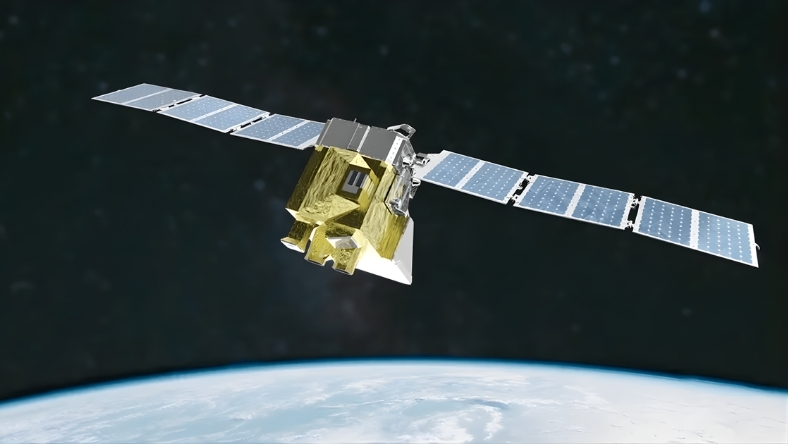
MethaneSAT, a spacecraft operated by the Environmental Defense Fund, tracked emissions across Permian oil and gas operations over 13 months ending in June 2025, recording roughly 410 metric tons per hour. The EPA's Greenhouse Gas Inventory puts the same region at 104 metric tons per hour. The February 2026 findings represent the most granular basin-wide accounting of methane in U.S. history, and the discrepancy they revealed landed in Washington almost immediately.
Senator Sheldon Whitehouse opened a formal investigation on March 19, directing eight of the basin's largest operators, including ExxonMobil, Chevron, and ConocoPhillips, to submit their internal emissions estimates and measurement methodologies by April 1. His framing was as much economic as environmental: at current LNG export volumes and global gas prices, methane vented or leaked into the atmosphere amounts to billions of dollars in unsold fuel.
The satellite record also drew a sharp line between neighboring states. New Mexico's methane intensity ran at roughly 1.2% of production during the study period; Texas came in at 3.1%. Researchers attributed the difference to regulations New Mexico enacted in 2021, a finding that has added weight to arguments, long contested by industry, that tighter rules produce measurable results without crippling output.
The investigation has accelerated a spending shift already underway. Operators facing both congressional scrutiny and pressure from institutional investors are moving faster to deploy continuous monitoring systems, optical gas imaging cameras, and AI-assisted leak detection platforms. Industry figures indicate Permian emissions declined around 20% between 2022 and 2024, and the MethaneSAT study has not yet completed peer review. Still, the combination of independent satellite data and Senate oversight has introduced a new accountability floor, one that analysts said the sector is unlikely to walk back from.