- PARTNERSHIPS
- 25 Nov 2025
A New Urgency Shapes Methane Strategy in the US Energy Sector
ExxonMobil, Chesapeake Energy, and Pioneer Natural Resources drive major methane cuts, boosting efficiency and urging operators to adopt faster emissions action
US oil and gas operators are accelerating efforts to curb methane emissions, marking a notable shift after years of gradual progress. What had been viewed as a routine regulatory adjustment is now developing into a broader change in operational practice.
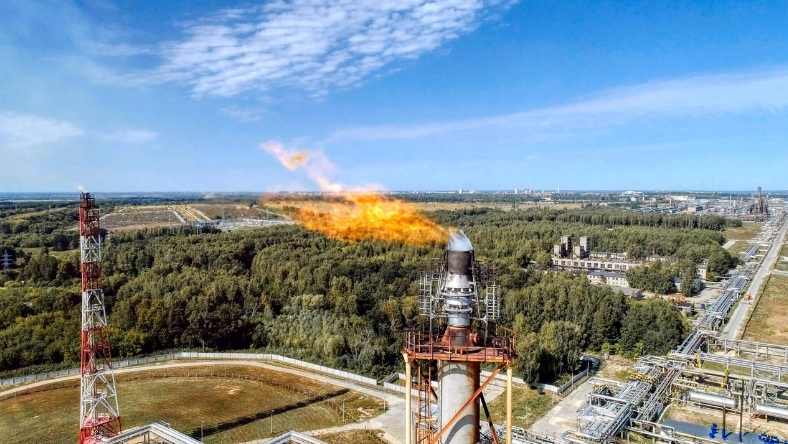
A new report from the Environmental Partnership, whose members include ExxonMobil, Chesapeake Energy and Pioneer Natural Resources, recorded more than 678,000 leak surveys across about 199,000 sites. Earlier data from the group showed a 7 per cent fall in flaring volumes and intensity in 2023. Production in participating regions has risen by more than 50 per cent since 2015, while emissions have dropped about 40 per cent, pointing to efficiency improvements across the supply chain.
Industry executives say the latest momentum reflects more than compliance with federal rules. Methane management has become an indicator of operational discipline amid rising investor expectations. Tighter federal standards and new financial penalties have reinforced the trend, turning emissions control into what many operators view as a measure of resilience rather than a procedural requirement.
Growing demand for technology is shaping the market response. Companies are adopting sensors, digital monitoring tools and software systems to track emissions across large networks of wells, pipelines and processing sites. Analysts expect this to spur further innovation as developers compete to produce faster and more automated platforms.
Costs remain a concern, particularly for smaller producers that lack the capital to upgrade equipment or expand reporting systems. Some regions still face infrastructure gaps that limit deeper reductions. The expansion of reporting obligations may widen the divide between early adopters and operators that adjust more slowly.
Even so, the tone across the sector is more positive than in previous regulatory cycles. Collaboration among producers, regulators and technology firms is supporting broader uptake of new practices.
The partnership’s findings indicate a possible turning point for the industry. Methane reduction is increasingly framed as a shared goal that can reinforce operational standards rather than impose a burden. With regulatory pressure and investor scrutiny continuing to rise, the steps taken now are likely to influence the next phase of US energy operations, setting the terms for progress and the constraints that accompany it.