- RESEARCH
- 13 Feb 2026
AI Gets Better at Spotting Methane From Space
Researchers report strong test results for a new satellite-based AI model designed to track methane leaks
Artificial intelligence is sharpening its gaze on one of the planet’s most stubborn climate problems: methane.
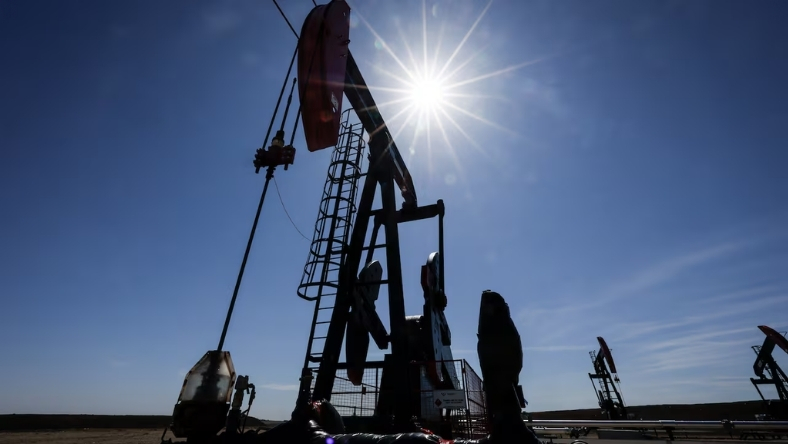
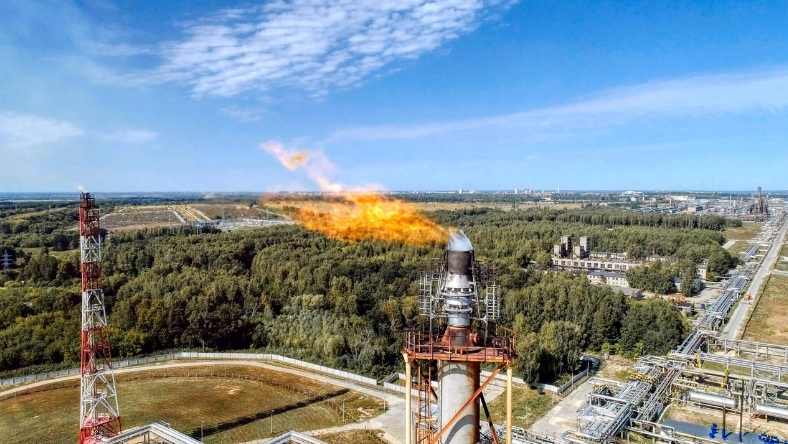
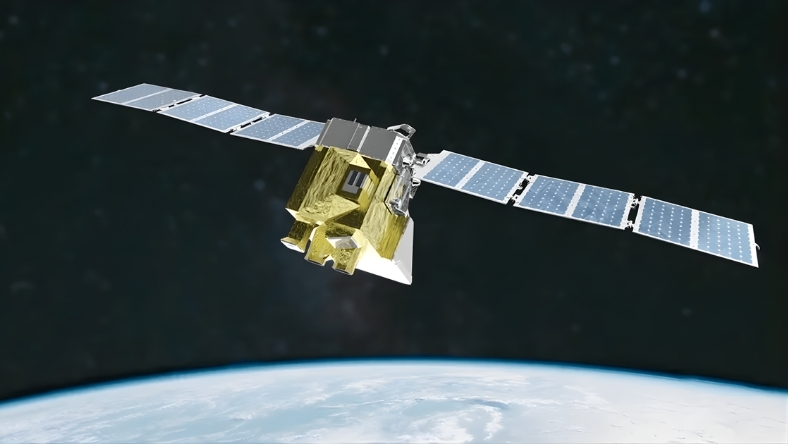
In a recent peer-reviewed study, researchers unveiled an AI model that blends satellite imagery with weather patterns and geospatial data to pinpoint methane leaks across oil and gas regions. In controlled testing, the system identified methane anomalies with 92 percent accuracy.
That figure comes from a structured research setting, not a live regulatory program. Still, it signals how quickly AI-powered environmental tools are evolving.
Methane is a powerful greenhouse gas, and pressure is mounting. Regulators in the United States and Europe are tightening emissions rules, while investors are asking tougher questions about climate risk. In that climate, precision matters. Companies need reliable data to meet reporting standards and avoid costly missteps.
Traditionally, methane monitoring has relied on boots on the ground, aircraft flyovers, and stationary sensors. Those methods can work well, but they are often periodic and limited in scope. Satellites, by contrast, can scan vast areas repeatedly. When paired with AI, they can flag suspicious plumes in near real time and direct inspectors to the places that need a closer look.
The researchers say newer machine learning techniques help cut down on false alarms while improving the detection of actual methane plumes. That balance is crucial. Too many false positives can waste time and money. Too few detections can leave serious leaks unchecked.
Even so, widespread adoption is still a work in progress. Many AI-enabled satellite systems remain in pilot stages or early commercial rollout. To move into formal compliance programs, they must prove they can perform reliably across changing weather, varied terrain, and differing regulatory standards.
The path forward is not without hurdles. But the trajectory is clear. AI is moving from a promising experiment to a practical tool in emissions oversight. If these models continue to hold up outside the lab, satellites may soon become one of the most important watchdogs in the fight to curb methane.