- TECHNOLOGY
- 23 Jun 2025
Can AI Drones Stop Methane’s Silent Spread?
Autonomous AI drones help US oil and gas meet EPA rules by detecting methane leaks faster.
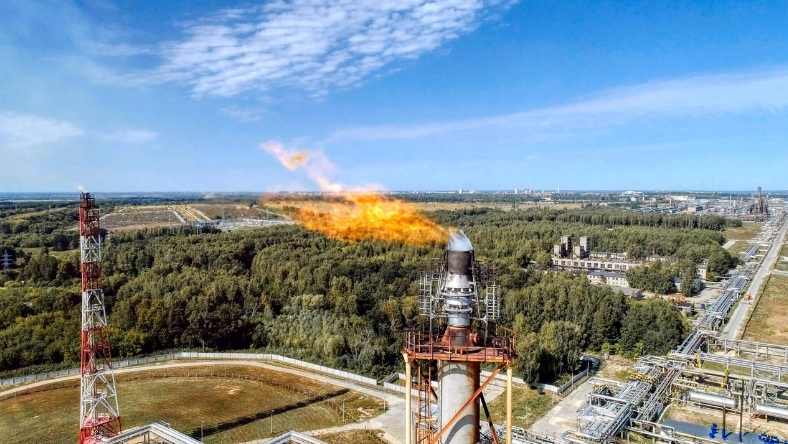
Methane has long been the oil industry’s most difficult pollutant: invisible, powerful and costly to track. A new technology may change that. On June 16th Percepto, an American drone-maker, unveiled its AI Emission Detector, which uses pilotless aircraft to spot leaks in near real time.
The drones circle production sites such as the Permian Basin, following pre-set routes or reacting to signals from ground sensors. Onboard software scans thermal images, locates the source of plumes and adjusts for wind. Notifications go straight to repair teams. That shrinks a process which once relied on rare human inspections into a constant cycle of monitoring and response.
The launch comes just before stricter methane rules arrive. In 2026 the Environmental Protection Agency will enforce Subpart OOOOc, which requires operators to show far tighter control of emissions. Automation helps on several fronts: fewer worker site visits, faster detection, and a clearer paper trail for regulators. It may also polish firms’ reputation in markets that now reward documented low-carbon operations.
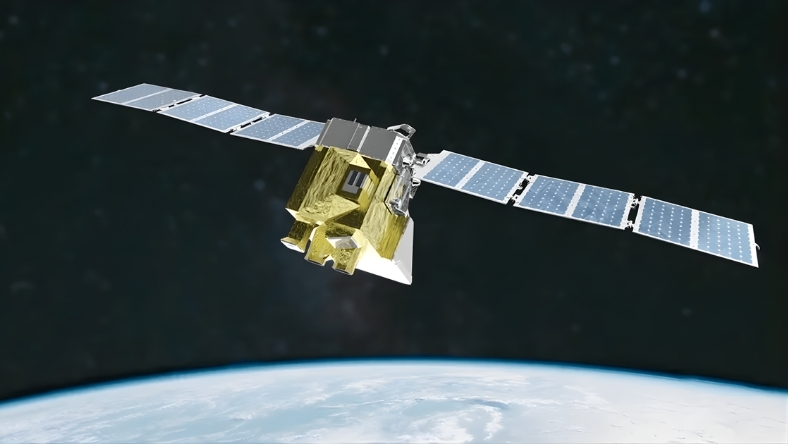
The industry is moving towards layered surveillance. Satellites, drones and ground-based sensors together can give a fuller and timelier map of emissions, helping companies target repairs. Such integration may soon be standard.
Yet hurdles remain. Regulators must be convinced that AI systems are reliable. Drone flights are limited by weather, airspace rules and the complexity of oilfields. Adoption is still patchy. Still, pressure is growing. Rules are tightening and the business case for cutting emissions is stronger.
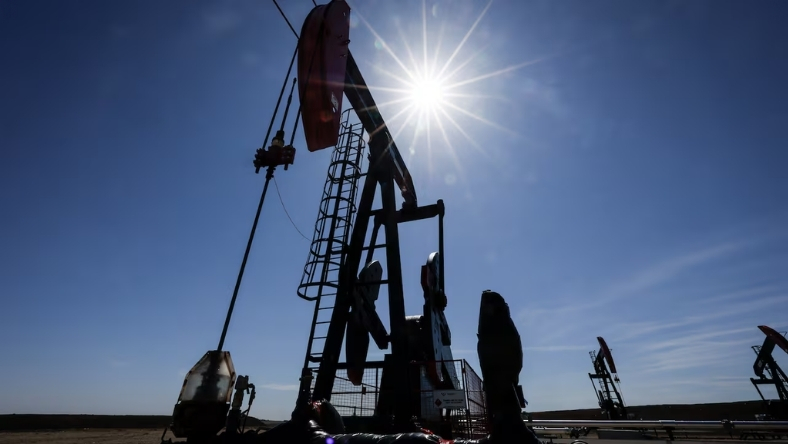
If momentum holds, drones could soon be a regular sight above America’s oilfields, tracking methane leaks as steadily as pumpjacks pull up crude.