- REGULATORY
- 12 Feb 2026
EU Methane Rules Shake Up Global Gas Trade
New EU methane standards will reshape gas markets, rewarding clean producers and squeezing those slow to adapt
Europe is quietly rewriting the rules of the global gas business, and exporters around the world are taking notice.
Starting in 2027, natural gas sold into the European Union must meet strict methane monitoring and emissions standards. What began as a regional climate policy is fast becoming a global benchmark. From Texas to the North Sea, producers are rethinking how they measure, verify, and market their fuel.
Under the new rules, importers must prove their gas meets EU-level methane controls. That means detailed emissions data, verified reporting systems, and tougher leak detection at wells and processing plants. Compliance is no longer a box to tick in the background. It is becoming a make or break commercial requirement.
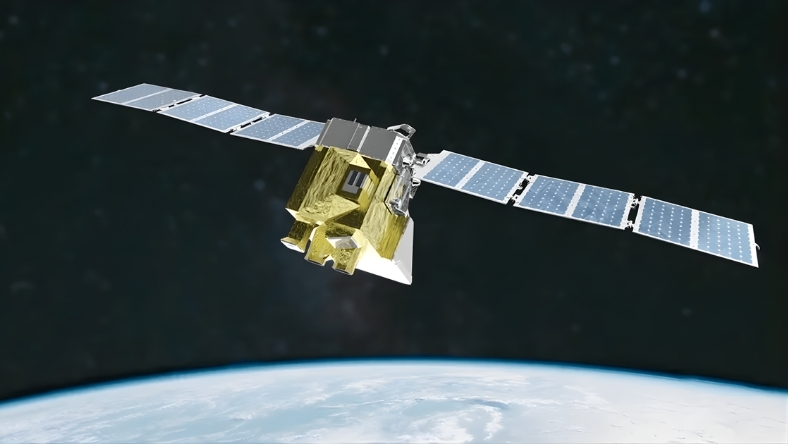
Energy giants including ExxonMobil, Equinor, and Shell are ramping up investment in methane detection tools, satellite tracking, and independent certification. Many are rolling out certified gas, pairing shipments with documented emissions data. The message is clear. Access to one of the world’s most valuable energy markets now depends on transparency.
There will be costs. Companies will need new equipment and stronger data systems, and those upgrades will not be cheap. Some analysts expect short term operating expenses to rise. But they also see an opportunity. Gas with verified low methane intensity could gain an edge in Europe, where utilities and industrial buyers face growing pressure to cut climate impacts.
The effects are already showing up in contracts. European buyers are adding detailed data sharing clauses. Producers are polishing environmental reports to secure long term deals. Methane performance is starting to matter as much as price and reliability.
Not everyone is comfortable. Some exporting countries warn of trade tensions and uneven standards. Tracking emissions across complex, cross border supply chains is no small task. Even well resourced operators will face hurdles.
Still, momentum is building as 2027 approaches. The EU’s methane rules do more than tighten environmental policy. They reshape competition. Producers that invest early in cleaner operations and credible data will not just protect their market share. They may help define the next chapter of global gas trade.