- RESEARCH
- 24 Jul 2025
Eyes in the Sky Catch Hidden Methane Emissions
Airborne data shows methane losses up to five times higher than official figures
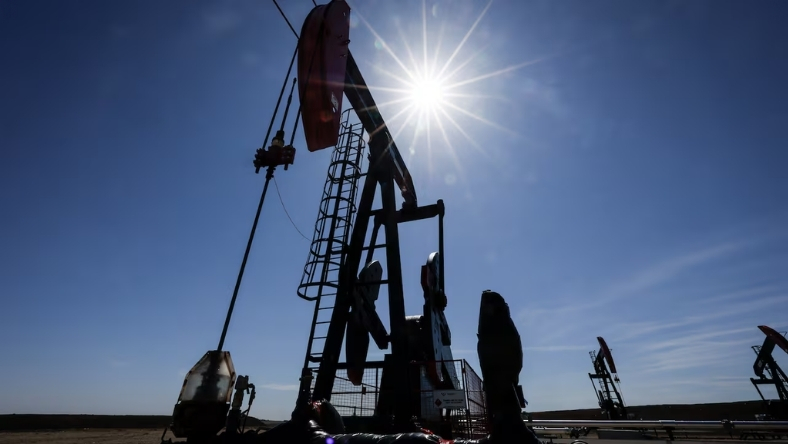
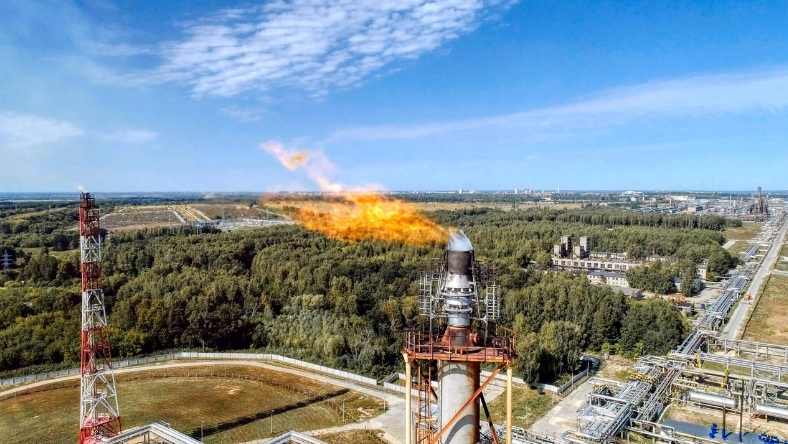
Methane emissions from U.S. oil and gas fields may be far greater than official estimates, according to a study led by the Environmental Defense Fund (EDF) with partners at Harvard University and MethaneSAT.
The MethaneAIR campaign, which used aircraft-mounted sensors to measure emissions across 12 oil and gas basins that produce about 70 per cent of U.S. onshore output, found leaks up to five times higher than federal data suggest. Annual methane losses in some areas reached as much as 10mn tonnes.
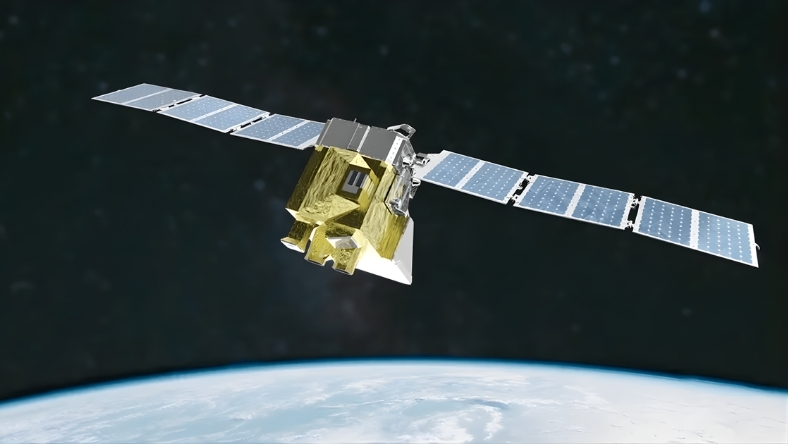
At the centre of the project is MethaneAIR, an airborne detection system designed to track emissions with high precision over large regions. Its early success informed the launch of MethaneSAT in March 2024, a satellite aimed at providing independent global monitoring. Contact with MethaneSAT was lost by mid-2025, but its initial operation showed the potential for space-based oversight of methane pollution.
EDF said the findings could reshape industry practices and regulatory frameworks. “Measurement-informed reporting is not just a future standard; it is what markets and the public increasingly demand,” a representative from the group said.
More accurate emissions data could help companies identify large leaks more quickly, cut waste and improve compliance with tightening climate rules. Regulators would also be able to design policies that reflect real-world performance, rather than relying on modelling.
The shift poses challenges for smaller operators, which may struggle to afford new monitoring technology. Increased transparency could also expose underperforming companies to investor and public scrutiny.
Despite such concerns, analysts argue that operators adopting real-time monitoring stand to gain a competitive advantage by improving efficiency and strengthening environmental, social and governance credentials.
The study underscores growing pressure on the U.S. oil and gas industry to address methane, a potent greenhouse gas that has become a central focus of both domestic and international climate policy.