- TECHNOLOGY
- 4 Mar 2026
Eyes in the Sky Track Methane’s Hidden Trail
Satellites are uncovering vast methane leaks, transforming how oilfields monitor emissions
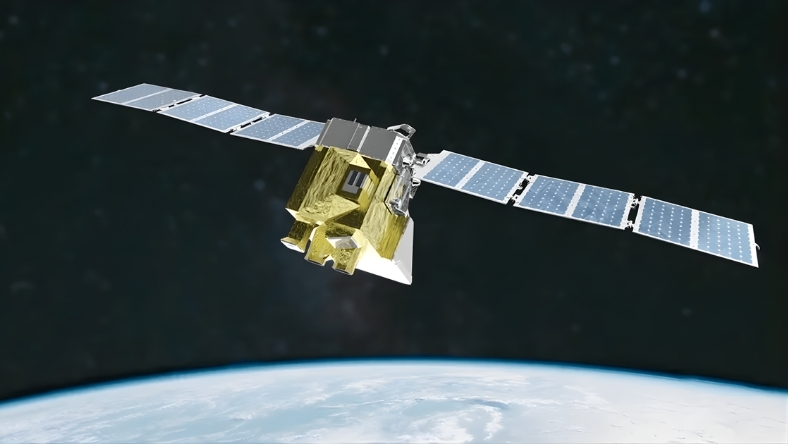
A new generation of satellites is transforming how methane emissions are tracked across the world’s oil and gas regions, offering an unprecedented view of leaks once nearly impossible to detect.
Momentum has grown after MethaneSAT, a mission backed by the Environmental Defense Fund, released its first global assessment of emissions from major production basins. Although the satellite lost contact in 2025, data gathered before the outage continues to yield new insights. Early findings suggest that emissions from several key regions may be significantly higher than official estimates, with implications for companies, regulators and investors.
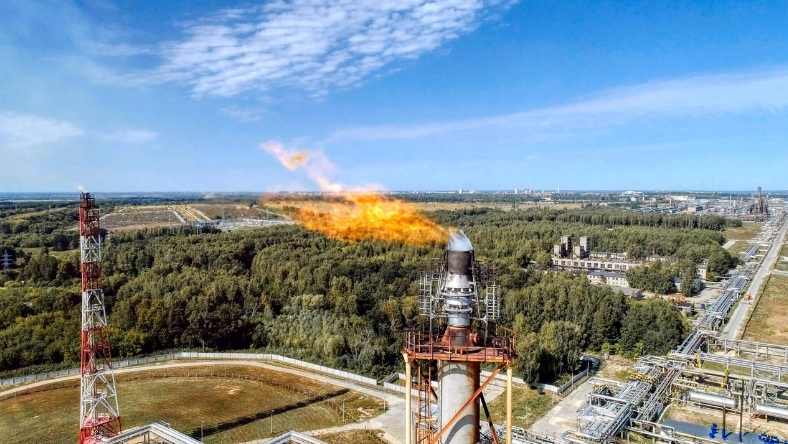
Traditional monitoring has relied on ground-based inspections at individual facilities. Satellite systems instead scan entire production basins, allowing detection of large methane plumes that might otherwise remain unnoticed for months. The broader perspective is revealing extensive “super emitter” events, rare but massive releases that account for a disproportionate share of total emissions.
Methane is one of the most potent greenhouse gases, and oil and gas operations are among its largest industrial sources. “Empirical data allows regulators and markets to distinguish between operators that are reducing emissions and those that are not,” said Steven Hamburg, chief scientist at the Environmental Defense Fund and a leader of the MethaneSAT mission.
The new visibility is also driving TECHNOLOGY. Technology companies are combining satellite imagery with artificial intelligence to map oil and gas infrastructure and detect leaks faster. Google has partnered with researchers to apply machine learning models that strengthen methane monitoring capabilities.
Satellites remain limited in detecting smaller, facility-level leaks, leaving a continued role for ground sensors and field inspections. Yet the technology is rapidly becoming a central tool in global methane management.
As climate rules tighten and investors demand clearer environmental performance, the ability to measure emissions across entire oilfields is moving from experimental to essential. The shift could redefine accountability across the energy sector.