- PARTNERSHIPS
- 24 Feb 2026
Methane Alliance Links Satellites to Repairs
Momentick and SensorUp tie space-based detection to field workflows as US rules demand faster response and clearer reporting
A partnership between Momentick and SensorUp aims to help US oil and gas operators move more quickly from detecting methane leaks to documenting repairs, as tighter federal rules increase pressure on compliance.
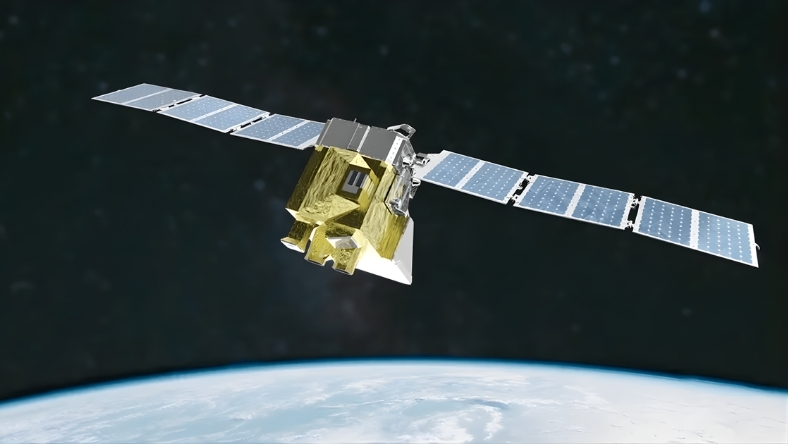
The alliance links Momentick’s satellite-based methane detection with SensorUp’s emissions management software, allowing operators to integrate alerts directly into maintenance and reporting systems.
As US methane standards become more stringent, companies are required not only to identify emissions but also to investigate and repair them within set timeframes. They must also keep detailed records to demonstrate compliance. The gap between detection and verified corrective action has become a persistent operational challenge.
Momentick uses satellite technology to detect and measure methane emissions across large oil and gas basins. The approach allows operators to identify potential leaks across dispersed assets more quickly than with ground inspections alone. However, satellite alerts are often delivered as standalone reports, requiring manual follow-up.
SensorUp’s platform is designed to connect environmental data with operational tools such as work orders and maintenance logs. By embedding satellite alerts into its workflow system, operators can assess emissions data, assign field crews, track repair progress and generate audit-ready documentation within a single digital system.
The timing reflects broader regulatory and investor trends. Updated US methane rules call for more frequent monitoring, faster response and stronger documentation. At the same time, investor-backed climate initiatives are encouraging companies to adopt measurement-based emissions reporting.
The methane monitoring market has grown rapidly in recent years, with providers offering detection via satellites, aircraft, drones and fixed sensors. Analysts say operators are increasingly seeking integrated systems that combine detection with execution, rather than stand-alone monitoring tools.
While integrated platforms may reduce regulatory risk and improve transparency, challenges remain. These include validating satellite data and integrating new systems across complex asset networks.
As compliance requirements evolve, companies face pressure not only to detect emissions but to demonstrate timely and verifiable remediation. Partnerships that connect data to operational response are likely to play a larger role in shaping methane management strategies.