- INSIGHTS
- 2 Mar 2026
Montrose Targets Methane With Smart Vent Fix
A new ground-based system helps oil and gas operators measure hard-to-reach methane vents as EPA rules tighten
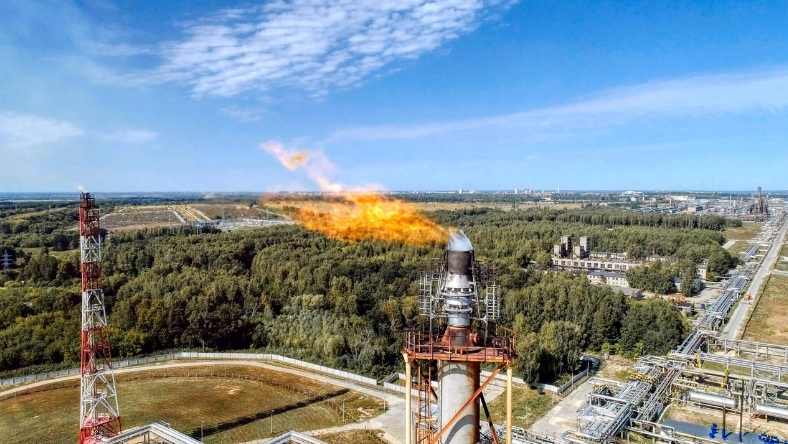
Montrose Environmental Group in January 2026 introduced a new methane monitoring system aimed at one of the oil and gas industry’s most persistent measurement challenges, emissions from elevated vents. The ground-based technology, known as the VeriPlume Capture System, is designed to quantify methane released from vents atop storage tanks and processing units, sources that can account for a significant share of site-level emissions.
Such vents are often positioned dozens of feet above ground, making them difficult to access. Operators have traditionally relied on lifts or scaffolding to conduct measurements, a process that can increase costs and introduce additional safety considerations. As federal standards tighten, industry officials have acknowledged that monitoring practices have not always kept pace with regulatory demands.
According to company statements, VeriPlume allows technicians to measure emissions from vents up to 60 feet high without specialized access equipment. By reducing logistical hurdles and safety risks, Montrose said the system offers operators a more practical way to collect emissions data that can withstand regulatory scrutiny.
The timing coincides with implementation of the Environmental Protection Agency’s OOOO-b rule, which imposes stricter methane standards on new and modified oil and gas facilities and expands monitoring and reporting requirements. As compliance obligations grow, operators face increasing pressure to demonstrate not only that emissions are being curtailed, but that measurements are consistent and well documented.
Many established firms in the methane management market emphasize advisory services and digital analytics, helping clients interpret emissions data and design compliance strategies. Montrose’s approach centers instead on deployable hardware intended for immediate use in the field, a distinction that could appeal to companies seeking tangible tools to meet inspection requirements.
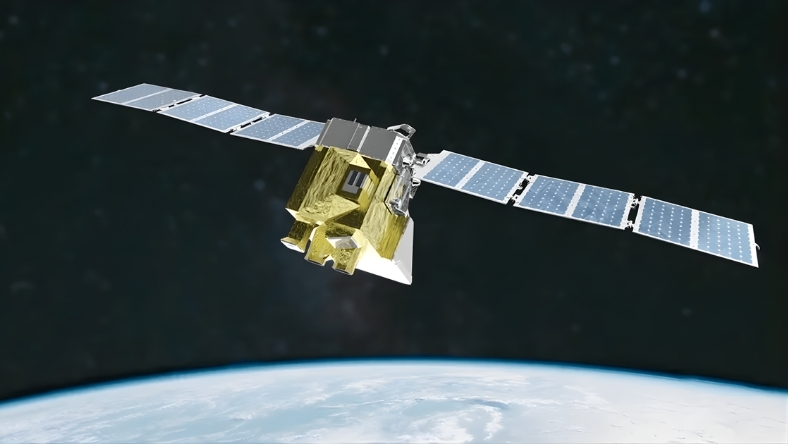
The broader landscape is shifting as well. Satellite detection systems, aerial surveys and continuous monitoring networks are gaining wider adoption, offering complementary methods to track emissions across large areas. At the same time, operators must weigh the costs of expanded monitoring against investments in equipment upgrades that reduce emissions at the source.
Still, as federal rules take effect and climate-related scrutiny intensifies in financial markets, precise measurement is becoming central to methane strategy. Technologies that combine regulatory certainty with operational efficiency may shape how companies navigate the next phase of emissions oversight.