- INSIGHTS
- 16 Feb 2026
Real-Time Methane Tracking Gains Ground
Continuous monitoring tools gain traction as US regulators tighten standards and producers seek faster leak detection
US oil and gas producers are turning to continuous methane monitoring as stricter federal rules reshape emissions compliance, prompting companies to reassess how they detect and report leaks.
Updated Environmental Protection Agency standards place greater weight on rapid detection and repair of methane releases. While periodic inspections remain permissible, regulators have signalled support for advanced technologies, including continuous systems, as part of modern leak detection programmes.
Shoreline AI, a technology provider, is promoting a 24/8 monitoring model built on fixed sensors installed at production sites. The sensors measure methane concentrations around the clock and transmit data to a cloud-based platform. Software flags unusual readings in real time, allowing operators to respond more quickly than under scheduled site inspections.
The approach reflects a broader shift within the sector. Compliance is moving from periodic checks towards continuous oversight, as producers face tighter scrutiny from regulators, investors and lenders. Faster detection can reduce lost product and limit the risk of enforcement action, while creating a detailed digital record to support environmental, social and governance disclosures.
Advisers say continuous monitoring is not compulsory for every operator under the EPA framework. However, it is increasingly seen as a strategic option in a more demanding regulatory environment. Companies are weighing the cost of new systems against the potential benefits of improved methane intensity metrics and stronger audit documentation.
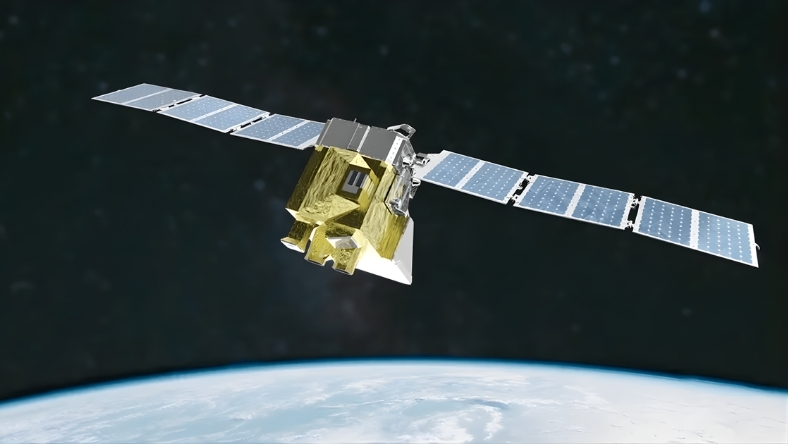
The market for detection technologies is expanding. In addition to fixed-sensor networks, operators can use drone surveys, aircraft overflights and satellite-based systems. Each offers different levels of coverage, data precision and operational complexity, leaving producers to balance capital spending with site-specific risks.
Shoreline AI delivers its system through a subscription model, reducing upfront costs and allowing companies to scale deployment across multiple facilities.
As methane rules tighten and disclosure requirements broaden, continuous monitoring is likely to become more common. Whether it becomes an industry standard will depend on regulatory enforcement, technology costs and the pace at which producers seek to align compliance with investor expectations.