- RESEARCH
- 19 Dec 2025
Satellites and Aircraft Put Methane in Plain Sight
New methane data from satellites and aircraft reveals hidden emissions, tightening EPA scrutiny and pushing operators toward faster, verified action
Something big is shifting in the US oil and gas industry, and it is happening above our heads. Methane, long invisible and easy to argue over, is suddenly hard to deny.
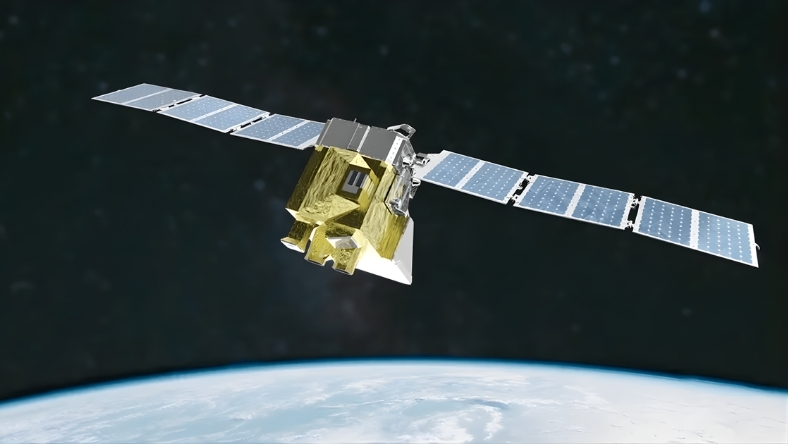
A new generation of satellites now scans entire production basins at once. They cannot always pinpoint a single valve or pipe, but they show where methane is pooling. That wide view works like an early warning system, flagging trouble for regulators, investors, and operators.
Aircraft take it from there. Flying lower with sharper sensors, they can trace emissions to specific facilities and even individual equipment. Leaks that once lingered for months are now spotted within days, sometimes hours. Satellites identify the neighborhood. Planes knock on the right door.
This is no longer a science project. Firms like GHGSat are running routine basin monitoring with producers, while aircraft are dispatched to confirm leaks and check repairs. What started as pilot programs is becoming standard practice in major oil and gas regions.
The timing matters. The Environmental Protection Agency is tightening methane rules under the Clean Air Act, pushing for frequent monitoring backed by real data. Modeled estimates are losing ground. Independent measurement is fast becoming the backbone of compliance, especially as federal methane fees and enforcement ramp up.
The data has also delivered a blunt lesson. A small number of large, short-lived leaks drive about 10% of total emissions. That insight is a reshaping strategy. Instead of chasing tiny losses everywhere, companies are focusing on rapid detection and quick fixes where they matter most.
The impact goes beyond regulation. Verified methane data now affects access to capital, insurance costs, and long-term gas contracts. Buyers want proof that gas is responsibly produced, and third-party monitoring offers it.
Challenges remain, from assigning responsibility for basin-level signals to getting crews on site fast enough. Still, many operators see clear benefits. Faster detection saves product, lowers safety risks, and builds trust.
As satellites and aircraft become permanent fixtures of methane management, one thing stands out. When emissions are visible, accountability tends to follow. That visibility could be the catalyst an industry under pressure has been waiting for.