- INNOVATION
- 12 Aug 2025
Sky High Stakes: Drones vs. Methane Leaks
Bridger’s drone-based LiDAR gains EPA approval as operators expand aerial leak detection
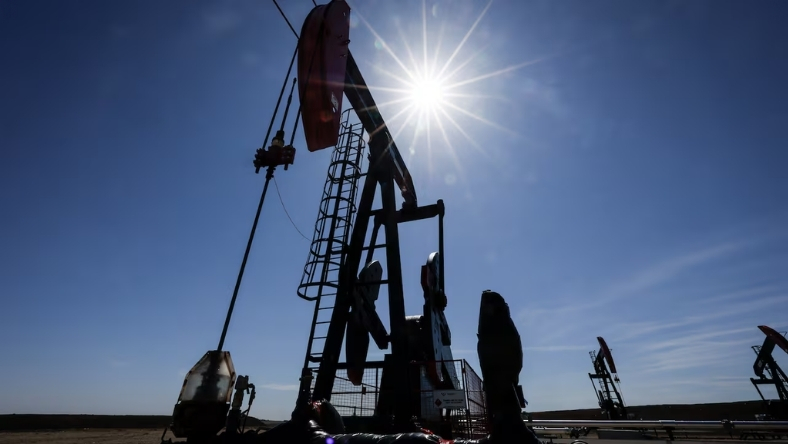
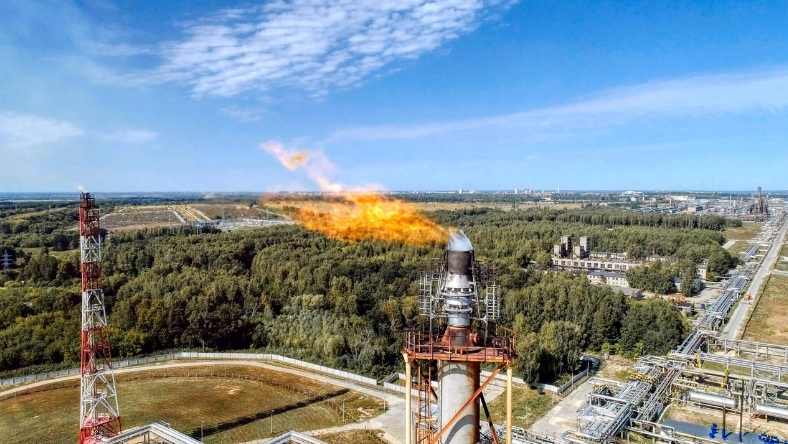
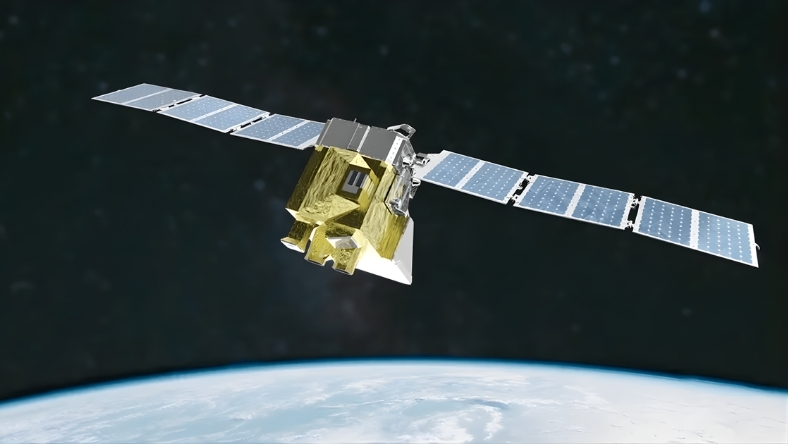
Methane detection in the US oil and gas sector is entering a new phase, with drone-based monitoring now complementing traditional aerial surveys. Bridger Photonics in May 2025 launched deployment of its Gas Mapping LiDAR system on uncrewed aircraft, extending a technology previously limited to manned flights.
The company said the new platform will enable inspections of hard-to-reach infrastructure such as offshore rigs, liquefied natural gas terminals and local gas distribution networks. Drones can fly at lower altitudes and slower speeds than planes, capturing more detailed emissions maps that identify leaks down to individual components.
“By tightening the time between detection and repair, the data can be more easily integrated into routine maintenance,” Bridger said. The shift is aimed at reducing product losses while improving compliance with emerging methane standards.
In July, Bridger announced an expansion of its methane surveys for Gulfport Energy, after conducting quarterly flyovers of the company’s Appalachian assets in 2024 and a recent scan of its Mid-Continent operations. The work reflects a broader move by operators to institutionalise leak detection as part of certification schemes and reliability targets.
Policy developments are also driving adoption. The US Environmental Protection Agency’s final methane rule, issued in December 2023, set standards for both new and existing sources and endorsed remote-sensing methods for rapid detection of large leaks. In January 2025, the agency approved Bridger’s LiDAR on both crewed and uncrewed aircraft as an alternative compliance tool.
Operational challenges remain, including weather-related limits on drone flights and the need to process large volumes of emissions data. But the technology is moving from pilot projects into routine use, adding a more nimble layer of surveillance to basin-scale surveys.
Industry analysts say the shift marks a step change in methane management as companies face mounting regulatory and investor pressure to curb emissions from natural gas production.