- INSIGHTS
- 12 Feb 2025
Smart Tech Takes Aim at Methane in U.S. Oilfields
Encino lands $11M to upgrade flares and tanks, aiming to cut methane leaks and boost efficiency in the Permian Basin
In an industry long associated with waste and pollution, Encino Environmental is betting that cleaner operations will also be smarter. The Houston-based firm has secured $11 million in federal funding to deploy new methane-control technologies across American oilfields. The award, part of the $850 million Methane Emissions Reduction Program, marks a notable step in the government’s push to tackle super-pollutants in the oil and gas sector.
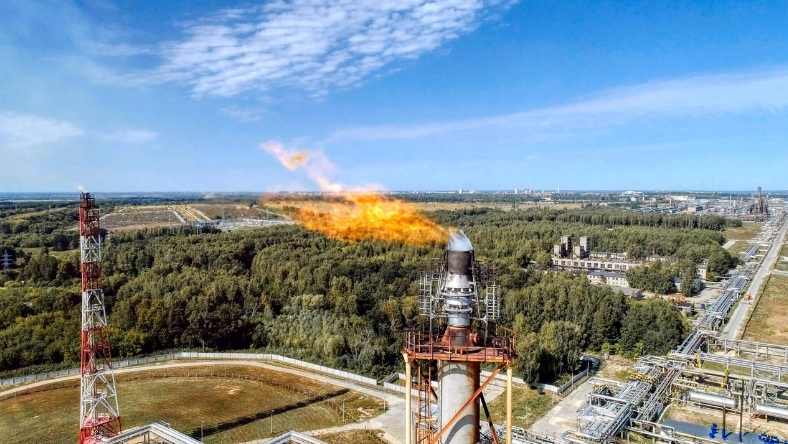
Two projects anchor Encino’s effort. One retrofits flaring systems with sensors and thermal cameras to ensure more complete combustion. The other upgrades storage tanks with lightweight components and leak-detection tools capable of remote monitoring. The aim is to stem methane leaks while extending equipment life and conserving saleable gas.
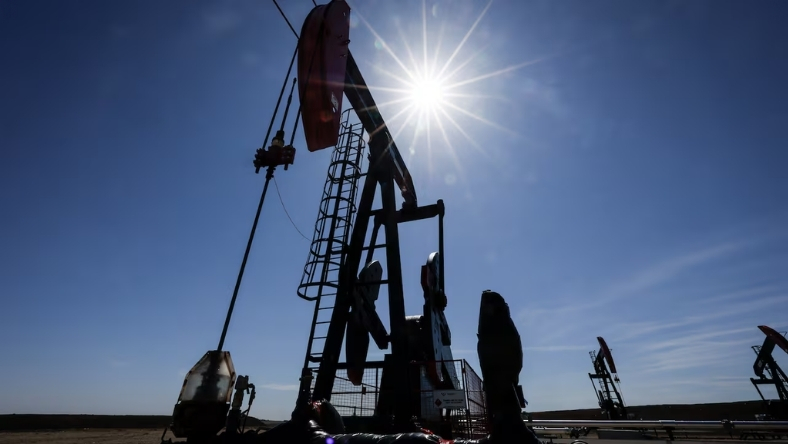
The Permian Basin, an engine of American oil output and a notorious source of fugitive methane, will serve as the testing ground. If successful, the upgrades could become standard practice across high-production basins. That may offer operators a rare alignment of regulatory compliance and operational efficiency.
“We’re not just meeting the rules; we’re redefining how they’re met,” says an Encino executive. The timing is fortuitous. New federal methane rules are expected to tighten sharply, and several states, including New Mexico and Colorado, have already ramped up enforcement.
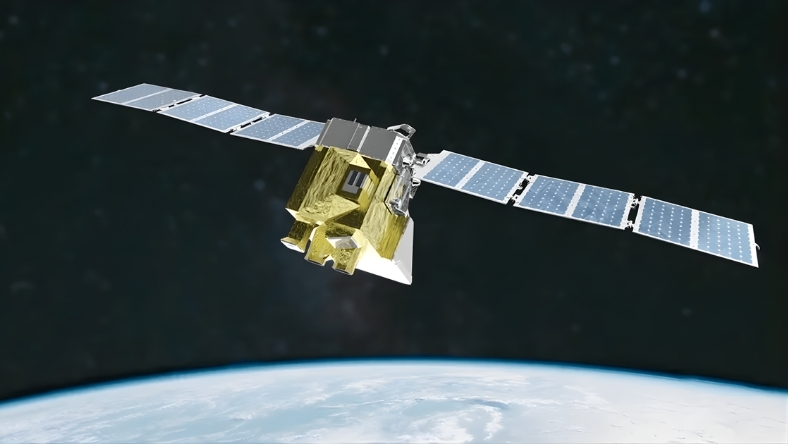
But not all leaks are easily plugged. The new systems must prove cost-effective across a fragmented industry. Many smaller producers remain wary of upfront investments. Meanwhile, rivals are racing to field their own emissions-control tools, from satellite detection to AI-assisted inspections.
Yet Encino’s early entry and the federal seal of approval may offer a competitive edge. Methane, while less discussed than carbon dioxide, is over 80 times more potent in the short term. Containing it is not only good climate policy. It may also become a litmus test for operational credibility.
If the technology delivers as promised, it could shift methane control from a compliance headache to a mark of performance. For now, the flares are smarter, the tanks tighter and the stakes higher.