- INNOVATION
- 6 Mar 2026
Space Tech Is Hunting Methane Leaks
OGCI and Carbon Mapper are turning satellite methane data into real repairs at oil and gas sites worldwide
For years, the hardest part of cutting methane emissions from oil and gas wasn't finding the leaks. It was doing something about them. A landmark collaboration announced in March 2026 is finally closing that gap.
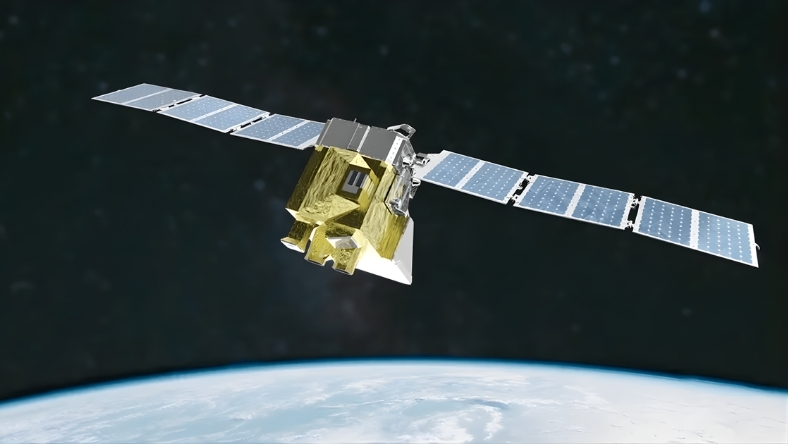
The Oil and Gas Climate Initiative and Carbon Mapper have joined forces to connect space-based methane detection to ground-level action. Carbon Mapper's Tanager-1 satellite produces precise, facility-level emissions data over oil and gas operations worldwide. That intelligence now flows directly into OGCI's peer-to-peer operator network, giving local producers targeted insights and the technical support to act on them fast.
The model has already been tested under real conditions. Since 2021, OGCI has run focused campaigns in Iraq, Kazakhstan, Algeria, and Egypt, proving that structured engagement between satellite data and field operators can produce measurable results. OGCI's 12 member companies, which together account for roughly 25% of global oil and gas production, have cut their upstream methane intensity by 62% since 2017. This new collaboration is designed to extend that progress well beyond the founding membership, reaching operators in some of the most emissions-intensive production regions on Earth.
The commercial logic is as compelling as the environmental one. Operators who reduce methane leaks lower their regulatory exposure and strengthen their emissions profiles ahead of tightening global reporting standards. For the US sector, where methane escapes from wells, pipelines, and compressor stations at enormous scale each year, the ability to move quickly from satellite detection to verified repair represents a genuine competitive advantage.
Carbon Mapper CEO Riley Duren framed the effort as bringing critical methane work to new heights, with direct benefits for air quality, frontline communities, and the broader climate. As satellite coverage expands and monitoring costs continue to fall, industry-science partnerships like this one are becoming the backbone of how the energy sector earns emissions credibility. The future of methane accountability was launched into orbit some time ago. It is now firmly on the ground.