- RESEARCH
- 5 Dec 2025
The New Eyes in the Sky Watching Industry Leaks
EPA approved methane drones speed compliance as operators prepare for rising regulatory and investor expectations
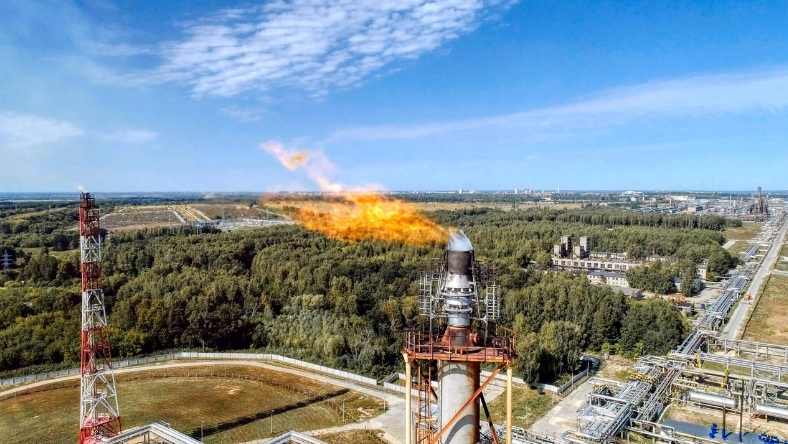
Autonomous drones just earned federal approval to perform official methane inspections, a milestone that could change how the US energy sector tracks one of its trickiest pollutants. The ruling arrives as regulators tighten expectations and investors watch environmental metrics with fresh intensity.
Percepto is the first to cross the line. Its system can detect methane, run routine site checks, and produce reports without crews on the ground. After demonstrating accuracy at a federal test center, the company won a green light many in the industry thought was still a season away. For operators juggling OOOOa and OOOOb rules and bracing for whatever might follow, the timing feels intentional.
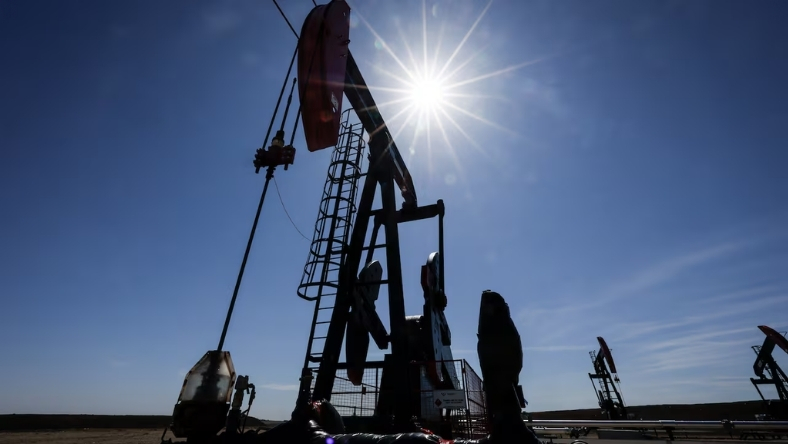
A recent trial in the Permian Basin hints at the appeal. Over three months, Percepto’s drones flagged more than one hundred possible methane events while cutting back on manual rounds. Analysts say this early data suggests automated routines could spread quickly, though they warn that lasting change depends on practical limits, shifting policies, and the realities of daily fieldwork.
The drone wave fits into a broader push to refresh aging infrastructure and raise environmental performance. Executives say digital tools are starting to seep into long standing workflows, a sign of hope rather than a settled trend. Tech firms and operators are also teaming up more often as automation moves closer to the heart of field operations.
Challenges linger. Some operators doubt the drones can fully sync with older equipment, and many stress that aerial scans work best when field crews are still on site. Bridger Photonics, known for methane mapping, has been vocal about keeping a multi tool approach. One industry insider noted that even a small error rate can become a problem when equipment spans thousands of acres, the sole use of a figure in the article.
Yet momentum is building. Stricter rules are on the horizon, investors want clearer emissions data, and autonomous tools are edging toward routine use. It is not standard practice, at least not yet, but federal approval signals a meaningful shift toward a cleaner and more efficient energy landscape shaped by innovation and rising expectations.